Alicia Viguer-Espert, born and raised in the Mediterranean city of Valencia, Spain, lives in Los Angeles. A three times Pushcart nominee, she has been a featured poet at numerous venues within the greater LA. Her work has been published in Colorado Boulevard, Lummox Anthologies, Altadena Poetry Review, ZZyZx, Panoply, Rhyvers, River Paw Press, Soul-Lit, Amethyst Review, Odyseey.pm, Live Encounters, and Spectrum Publications, among others. Her chapbooks To Hold a Hummingbird, Out of the Blue Womb of the Sea and 4 in 1, focus on nature, identity, language, home, and soul. In addition to national and international publications, she is included in “Top 39 L.A. Poets of 2017,” “Ten Poets to Watch on 2018,” and “Bards of Southern California: Top 30 poets,” by Spectrum.

Those Other Afternoons by the Sea
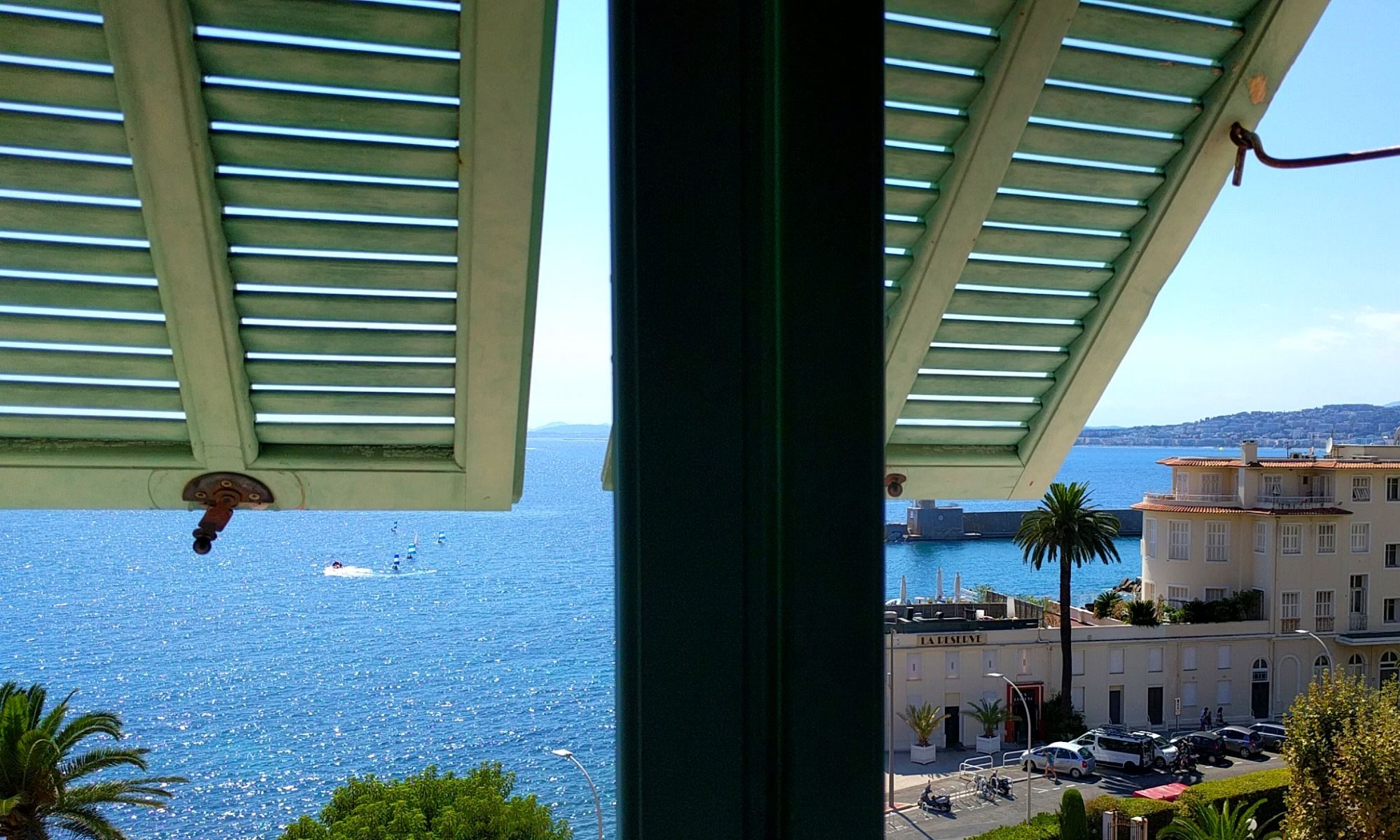
With scent of orange in my fingers
I sit on the terrace,
the breeze undresses my sweat
and my thirsty lips drink
the afternoon sweetness.
Below my orange tree, still an infant,
evokes memories of light’s reflections
within my now so far away sea.
When the afternoon folds, I imagine
these clouds to be those
decorating the Montgó’s crown, indigo
silver-plated of night and epitaph.
How often in dreams I caress
leaves of thyme and rosemary,
pine needles, and your cheek!
I remember the seaside perfume
inhabited by jasmine and gardenias
crossing, like a dove La Alameda,
and I think, what would I give
to hug you in this solitary terrace!
Autumn by The Sea
The white sail of the moon cruises
an opaque sea rocked by clouds,
on the sky jasmine vines continue climbing
on Jacob’s ladder
without angels
the perennial youth of oranges invites
my heart to expand
the night
a glowing balloon
of darkness begins to dissolve into dusk.
I turn towards the sea
listen to waves intoning Neptune’s anthem.
With the first light,
Autumn leans on the window
of her season,
claims her own
gauze of laziness spread over azure waters,
humans.
Dolce far niente wraps me,
and it feels so good,
like a vacation!
For other contributions by Alicia Viguer-Espert, please follow the links below:
Poetry in this post: © Alicia Viguer-Espert
Published with the permission of Alicia Viguer-Espert