Engr Dr Naila Hina A Former Navy Engineering University Instructor and an engineer and a manager in top notch firms.
An internationally acclaimed award-winning author of hundreds of multilingual books and a poetess from Pakistan.
Best Writer of the Decade, author, philosopher, science journalist and stateswoman, literary Colonel at StoryMirror. Got many doctorates, Medals and Diplomas from World Literature Academy and other literary organizations worldwide.
World Poetic Star Awards. Global poet 2021, 2022, 2023, 2024 Awards. Got awarded Premio Special from Centro Giovani E Poesia Italy. Munir Mezyed foundation award for Culture peace and arts. Got awarded Premio Special Amilcare Solferini International award Italy.
Her name had been recommended for Nobel Prize for Literature 2022 and 2023.
Please visit Naila Hina at: Amazon

Ney’s melancholic melody drifts
Across the waves, where fishing boats shift
A silver glow, upon the sea’s dark face
Moonbeams entwine, a lover’s secret place
Café conversations, laughter and smoke
Echoes of oud, in every hidden nook
Olive oil’s richness, in every dish
Flavors of Greece, Turkey, and wish
Olive Groves’ Whisper
Under twisted branches, where shadows play
Lovers’ whispers weave a timeless sway
Olive leaves’ soft rustle, cicadas’ hum
Summer’s warmth, in this sacred succumb
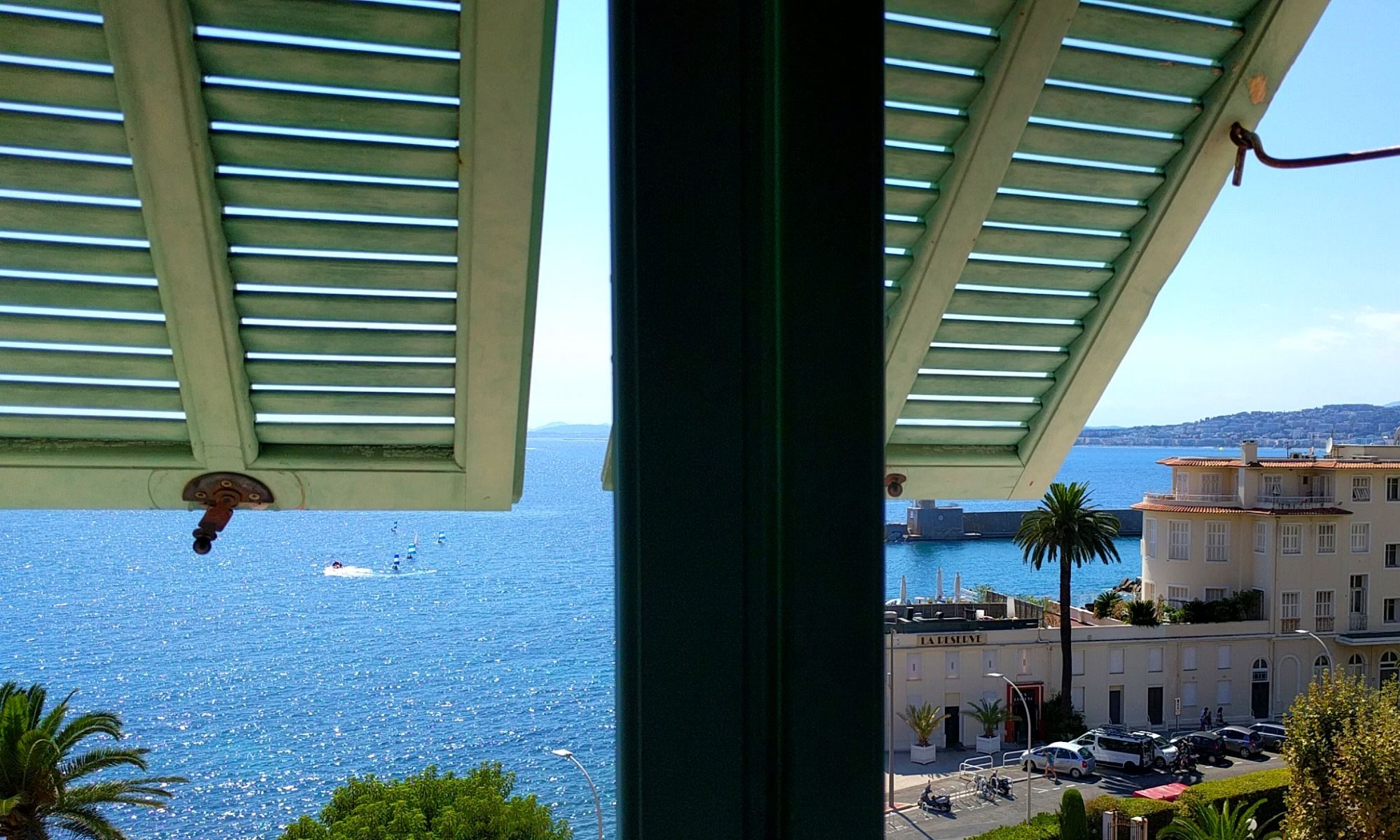
The sea’s cerulean hue, a gentle breeze
Dances with cypress trees’ dark ease
Citrus blossoms’ sweet perfume fills air
As ancient stones echo love beyond compare
Citrus Sunrise
Lemon groves awaken, golden light
Orange blossoms’ fragrance, morning’s delight
The Mediterranean’s azure waves unfold
A new day’s promise, young and old
Cypress trees stand guard, against time’s tide
Ancient villages, where legends reside
The sea’s soothing melody, a lullaby sweet
As morning sunbeams, on the hills meet
Santorini’s Embrace
Whitewashed houses, blue-domed churches tall
Narrow alleys, where lovers’ whispers enthrall
Donkeys’ gentle bray, windmills’ soft spin
Island magic, where hearts are woven within
Sea and sky converge, in endless blue
Oia’s castle, a dreamer’s view
Tomatoes ripe, on vine-kissed earth
Greek passion, in every hearty birth.
Midnight in Mykonos
Café lights twinkle, like stars above
Bouzouki’s rhythmic pulse, a sensual love
Sea breeze carries, the scent of jasmine sweet
Dancers’ laughter, in every winding street
All for love
When crowns will be thrown
away and so does the throne
When volcanic eruptions turn
Islands in Aegean sea forever young
Santorini or Thira, Mykoni, Crete
Perfect for cubic houses colored
Like the sky and the sea. Shapers of
Cyclades into the rugged landscape
In the night it shines like candles
Burning in the dark, fire in braziers
Reflected in the sea creating the
Myths come alive in the minds
Lovers in the Boat Builders kiss
And remember Venitians of past
Athens of Pallas Archana and
Odysseus Minolaus, Achilles
Paris Helen. Troy Trojan horse
Pthia, war, face, thousand ships
Love first blood prophecy
Greece Rome Andalusia
Asia Minor, Izmir, Anatolia
Constantine to Cleopetra
It was all for love,
it’s all for a kiss!
All for love from Naila Hina’s book: Love Can Wait
Available worldwide in many languages
Poetry in this post: © Naila Hina
Published with the permission of Naila Hina